
Data
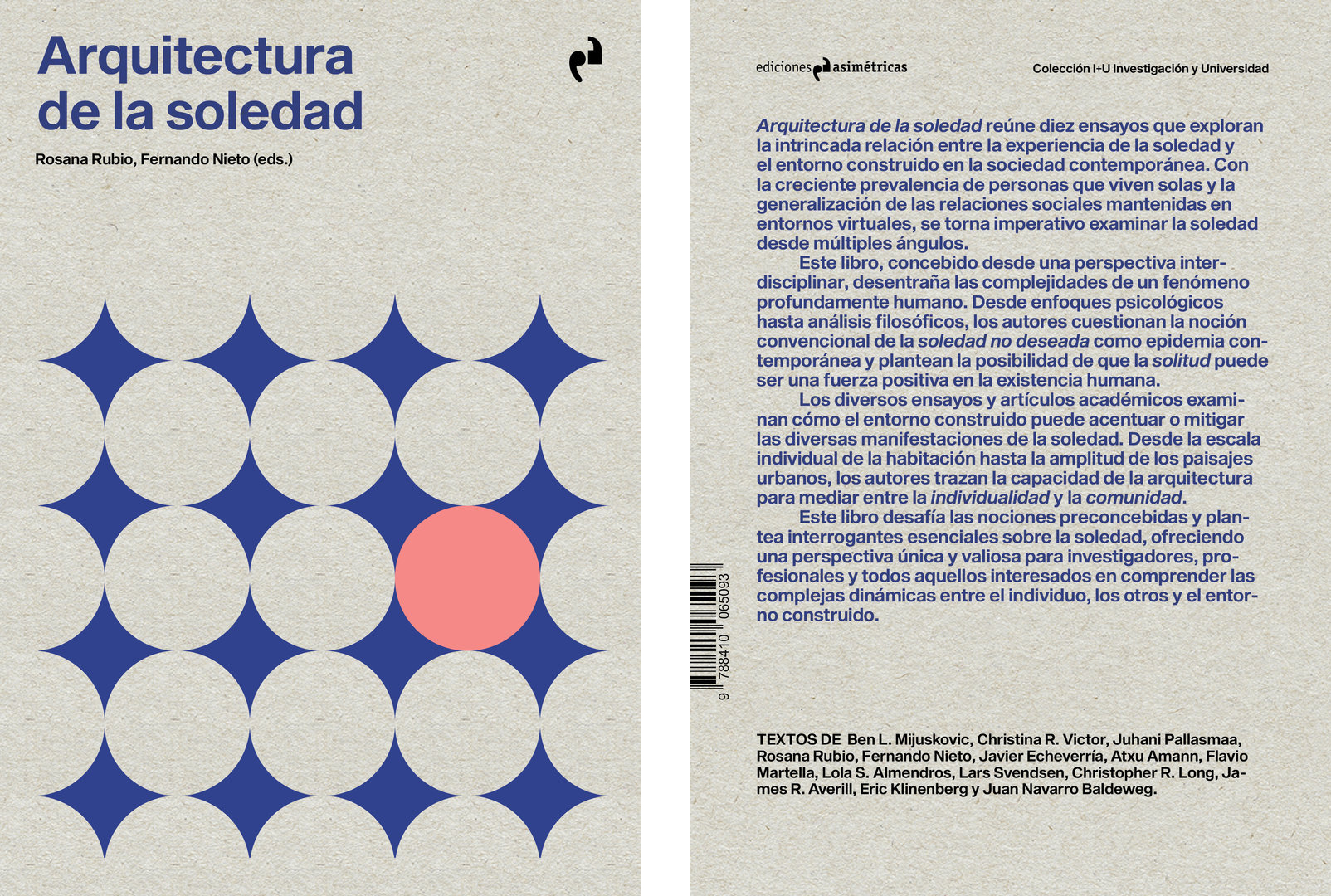
Title: Arquitectura de la soledad (Architecture of loneliness and solitude)
Type: publication as result of research project at Tampere University, Faculty of Built Environment
Funding: Sustainable Welfare Systems (SWS) and the Intelligent Society (INSO) platforms, profiling initiatives at Tampere University
Researchers and editors: Rosana Rubio and Fernando Nieto
Texts: Ben L. Mijuskovic, Christina R. Victor, Juhani Pallasmaa, Rosana Rubio, Fernando Nieto, Javier Echeverría, Atxu Amann, Flavio Martella, Lola S. Almendros, Lars Svendsen, Christopher R. Long, James R. Averill, Eric Klinenberg and Juan Navarro Baldeweg
Publication date: March 2024
Publisher: Ediciones Asimétricas
Collection: I+U Research and University
Design of collection and cover: Toni Cabré
ISBN: 978-84-10065-09-3
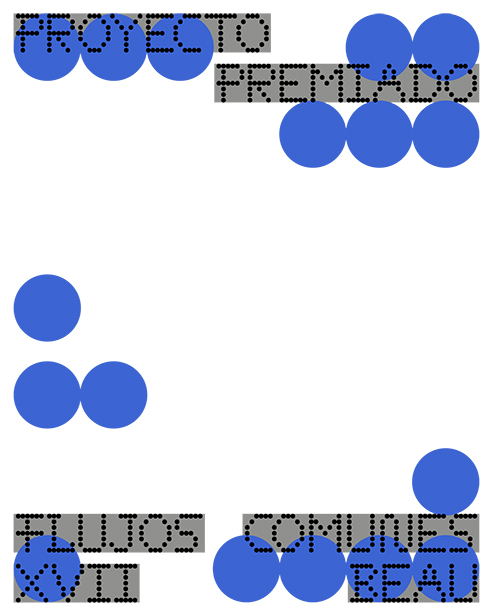
Recognitions: Award at the 17th Spanish Biennial of Architecture and Urbanism (XVII BEAU) in ‘Dissemination and Publications’ category organised by the Ministry of Housing and Urban Agenda in collaboration with the Higher Council of Professional Associations of Architects in Spain (CSCAE) and Fundación Arquia (2025). Special Mention in COAM Awards 2025 in ‘Dissemination’ category by the Professional Association of Architects in Madrid (2025). Finalist in Spanish Architecture Awards (Premios ARQUITECTURA 2025) by the Higher Council of Professional Associations of Architects in Spain (CSCAE) (2025). Shortlisted by ARQUIN-FAD as one of the best books on design, architecture and art for Sant Jordi 2025. Shortlisted by El Grito from El Confidencial as one of the best art and architecture books in 2024


Summary
Arquitectura de la soledad (Architecture of loneliness and solitude) brings together ten essays that explore the intricate relationship between the experiences of loneliness and solitude and the built environment in contemporary society. With the increasing prevalence of people living alone and the generalization of social relationships maintained in virtual environments, it becomes imperative to examine loneliness and solitude from multiple angles.
This book, conceived from an interdisciplinary perspective, unravels the complexities of a deeply human phenomenon. From psychological approaches to philosophical analyses, the authors challenge the conventional notion of unwanted loneliness as a contemporary epidemic and raise the possibility that solitude can be a positive force in human existence.
The various essays and academic articles examine how the built environment can accentuate or mitigate the various manifestations of loneliness and solitude. From the individual scale of the room to the breadth of urban landscapes, the authors outline architecture’s ability to mediate between individuality and community.
This book challenges preconceived notions and raises essential questions about loneliness and solitude, offering a unique and valuable perspective for researchers, practitioners, and all those interested in understanding the complex dynamics between the individual, others, and the built environment.